
Tags
clinical research, communicable diseases, Dr. Jonas Salk, eradication of polio, physicians, polio vaccine, scientists, vaccines
Slapstick humor by classic comedians like Abbot and Costella, Laurel and Hardy, the Marx Brothers, and the Three Stooges regularly entertained us in the fifties after arriving in Hollywood, years before, when it was called vaudeville. Through the unsophisticated, low resolution cinematography of black and white, the humor of these comedic pioneers came to life on the big and small screens across the country as we witnessed the emergence of entertainment preserved on film.
In our home, we grew up loving the Three Stooges and often memorialized their skits in our own reproduction of the bumps, falls, head slaps, near eye pokes, accompanied by the cacophony of sound effects which flowed in their rapid-fire dialogue. Who could forget the newly arrived physicians at the Los Arms Hospital—snicker, snicker—and the relentless call to duty, which resulted in chaotic scrambling, bumping, and maneuvering across the screen? The call to service, “Dr. Howard, Dr. Fine, Dr. Howard!” was the trademark of that particular schtick.
As children we often missed the subtlety of the adult humor embedded in the jokes and the choreography of their harried antics, and even though we knew that Shep, Curly and Moe were not real doctors at the Los Arms Hospital, we laughed. The Three Stooges were about silliness and fun, and the “going to a real doctor” was about measles, mumps, chicken pox and polio. While the Three Stooges were carrying on up on the big screen, the possibility of a communicable, debilitating illness stared directly into the faces of children in the fifties.
Each summer as children celebrated their escape from the routine of school, parents experienced a renewed fear of a polio outbreak. Polio was one of the greatest public health crises in history since the end of WW II, and parents anxiously watched for any telltale signs of the disease with the advent of the summer and its rising heat.
The common fear about public swimming pools and other gathering places for children was not unfounded. In 1952 alone, there were nearly 58,000 cases of polio reported in the United States. Our very own mother was terrified of polio because she had two young children, and polio was very real to her.
The threat that resulted in that fear actually lived across the street from us in the form of Mike, a young adolescent who lived with his parents—a victim and survivor of polio. While Sissy and I roamed the neighborhood on bikes or skates, Mike struggled to walk from the front door of his house to the street’s curb to catch the school bus. There was no bike for Mike. He did not roller skate down the sidewalks laughing and enjoying life with the rest of us. He didn’t run with us when we played tag, hopscotch, kickball, or hide ‘n seek. He was older than most of us, but even so he was probably only about twelve years old, and even at that young age, a lifetime of disability awaited him. His sandy red hair and wire-rimmed glasses already made him stand out as someone who was different, but it was his uneven gait that plainly told of the difference between him and the rest of us. He was only able to walk with the aid of metal crutches that encircled his upper arms while his hands rested on handles positioned halfway down the crutches. He bore the full weight of his small and twisted body on those two arms and hands. Both legs were atrophied and deformed. One leg dragged behind the other as he pulled the opposite leg in front of the other in an alternating pattern as he maneuvered the sidewalk to the driveway or curb. We usually saw him by himself, or with his parents, but he occasionally traveled across the street to just say hi. I was only around five at the time, but I was vividly aware of the impact polio had on his body. I recall very little else about Mike. His family lived in that house across from us throughout my childhood and with the exception of an occasional wave of the hand, contact with the family was minimal. In retrospect, I can’t help but wonder if fear dictated the distance between the two families.
Sometime in the 50s, after Jonas Salk perfected his vaccine following clinical trials involving more than one million children across the globe, Sissy and I lined up for our doses of the miracle drug at our pediatrician’s office. Dr. Lynch was an elderly white-haired physician sporting wire-rimmed glasses. He wore a white lab coat with his stethoscope conspicuously wrapped around his neck. His office was located in one of the old Victorian houses that still exist today in the historic downtown area of Evansville.
A portion of the downstairs living space was converted to an office and exam rooms. In the waiting area, underneath the stairway to the second floor, a small playroom was outfitted with a small solid oak table surrounded by child-sized chairs. Geometrical wooden blocks lay on the table, on the floor and in a box next to the table. Wooden puzzles and books also graced the small book shelves lining the walls of the cubbyhole. While we played, Mother sat in the waiting room reading a book allowing us to be distracted by play prior to our visit with Dr. Lynch. There was no oral option for the polio vaccine at that time and the hypodermic needles of the time were not small—anxiety in place—and trypanophobia in tow.
Whether or not Dr. Lynch was a visionary is hard to determine because in the fifties, people lined up to ensure their children were vaccinated regardless of the risks of the vaccine. Some parents reacted with hesitancy just as they do today, but most parents understood the devastating effects of polio, and it was not a life that parents desired for their children, or themselves. The value Jonas Salk brought to the world back then was heralded as almost hero-like in nature because he brought a promise of hope to parents throughout the world. Across the globe today, the complete eradication of polio is in the very near future because of Jonas Salk and others.
In remembering sandy-haired Mike with the wire-rimmed glasses struggling to walk and not being able to experience the typical joys of childhood, I can’t help but think that Jonas Salk was actually a hero and a savior. Certainly not for Mike—Salk’s discovery came too late—but certainly a savior for the millions who have received the vaccine since April 12, 1955, when news of its success became public.
Perhaps another savior will take Salk’s place and he or she will find a cure for Autism. Perhaps HIV will be eradicated because a new vaccine will be discovered. Perhaps a cure for Multiple Sclerosis will be the next greatest discovery and those with the disease will be relieved of the “not knowing.” Whatever transpires in the world of scientific discovery, we will owe that success to the dedication of scientists, physicians, researchers across the globe. We will not owe anything to the likes of Dr. Howard, Dr. Fine, or Dr. Howard or other actors of the stage.
Remember the Three Stooges only as they were and are meant to be remembered—merely entertainers; actors looking for an audience; performers hoping to get a reaction. Honor the true heroes of science and medicine in your academic medical centers, at the community hospital, in the physician’s office, at the urgent care centers, in the ambulance, in the pharmacies, and anyplace else where the true scientists and healthcare providers practice “for real.”
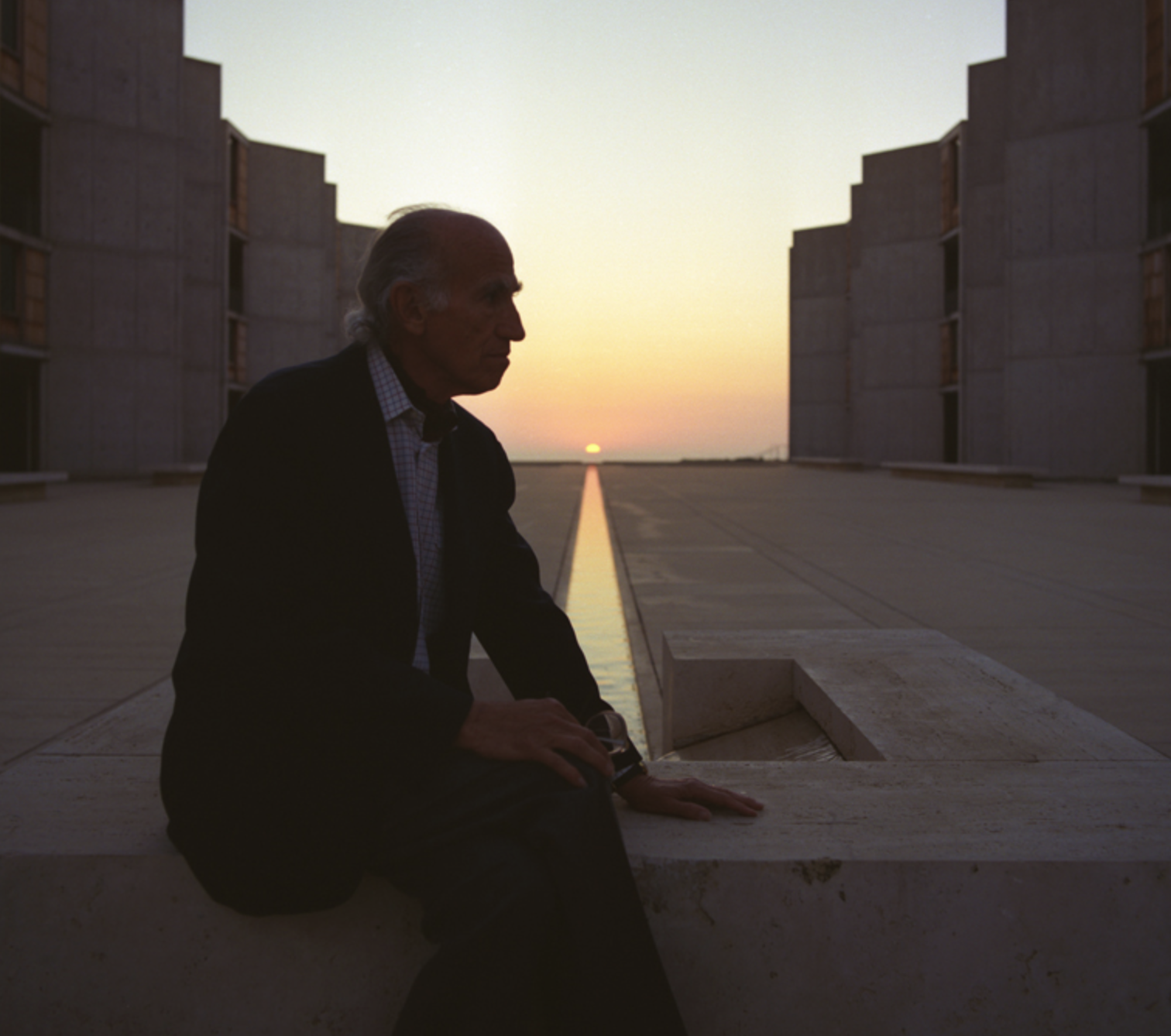
“Salk spent his last years searching for a vaccine against AIDS. He died on June 23, 1995 at the age of 80 in La Jolla, California. His life’s philosophy is memorialized at the Institute with his now famous quote: “Hope lies in dreams, in imagination and in the courage of those who dare to make dreams into reality.”
 growingupstrange